Journalists at El Faro knew the risks when they published a series of interviews with gang members alleging long-standing ties between Salvadoran President Nayib Bukele and criminal groups. They didn’t know how quickly the crackdown would escalate.
This statement was originally published on cpj.org on 4 June 2025.
Journalists at El Faro knew the risks when they published a series of interviews with gang members alleging long-standing ties between Salvadoran President Nayib Bukele and criminal groups. They didn’t know how quickly the crackdown would escalate.
Within days of publication last month, sources close to El Salvador’s attorney general’s office warned that arrest warrants were imminent for seven of the outlet’s journalists. The purported charges – “advocacy of crime” and “unlawful association” – are typically used against alleged gang members. Ten El Faro reporters have now left the country as a precaution.
Just days after the interviews were published, the government escalated the crackdown against both journalists and human rights organizations whose work includes supporting journalists. Ruth López, a prominent lawyer with the human rights group Cristosal, was abruptly arrested and charged with embezzlement. Two other activists remain in custody facing public disorder charges. International organizations have raised alarms over what they describe as the systematic use of the justice system to silence critics.
The Committee to Protect Journalists has documented years of harassment against the El Faro newsroom, from Pegasus spyware surveillance and baseless money laundering accusations to smear campaigns led by government officials. Today, in the aftermath of the publication of the gang interviews, the pressure has reached unprecedented levels.
In a conversation with CPJ, El Faro Editor-in-Chief Óscar Martínez – recipient of CPJ’s 2016 International Press Freedom Award – reflected on the toll of the persecution.
This interview was conducted in Spanish and has been edited for length and clarity.
Can you talk about how you left the country and how you’re doing now?
We published the interview videos on May 1. We knew the material would have an impact, so four of us left the country before publication to ensure it could be shared freely and then return. Each of us went to different places, one to Mexico to engage with the media, I went to the U.S. for meetings and coverage, which turned into a sort of advocacy to protect the newsroom.
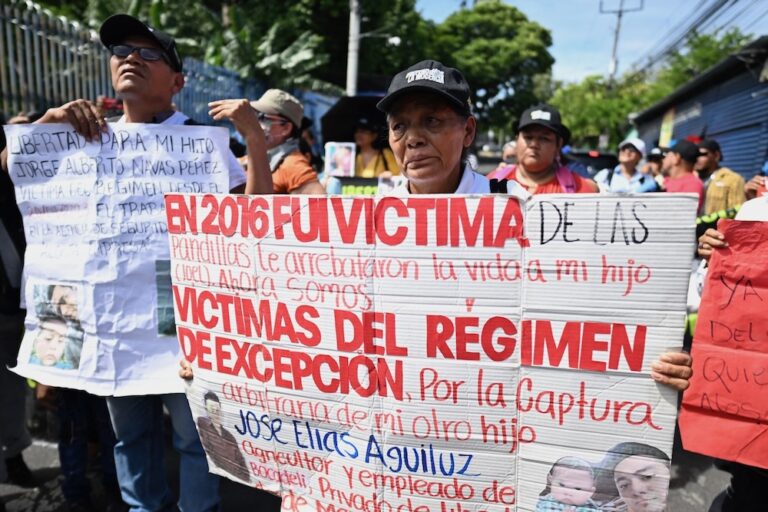
After we left, repression escalated: transport business leaders were arrested, one died in prison five days later. Then came arrests of community leaders protesting outside the president’s residence, and the detention of (human rights lawyer) Ruth López. Meanwhile, we kept receiving alerts about surveillance on our staff and pending arrest warrants. So we took three more colleagues out and then another four. Now there are 10 of us outside the country, not formally exiled, but staying out for safety. We’re planning our return.
Can you explain the charges brought against you or your newsroom?
One day after we published the interviews, the head of the State Intelligence Agency accused us on social media of five crimes, including human trafficking and sexual violence. He said, “You don’t throw rocks at someone who has bombs,” like a threat. Not long after, we confirmed through two separate, reliable sources that seven arrest warrants had been drafted against us. They (the sources) didn’t know each other but provided the same information: That we are being accused of “advocacy of crime” and unlawful association. Crimes that were used against criminal groups, so that’s when we decided to get everyone involved in the video out of the country.
How has El Salvador’s state of emergency, which the government says it imposed to combat gang violence, make it especially dangerous for journalists accused of gang ties?
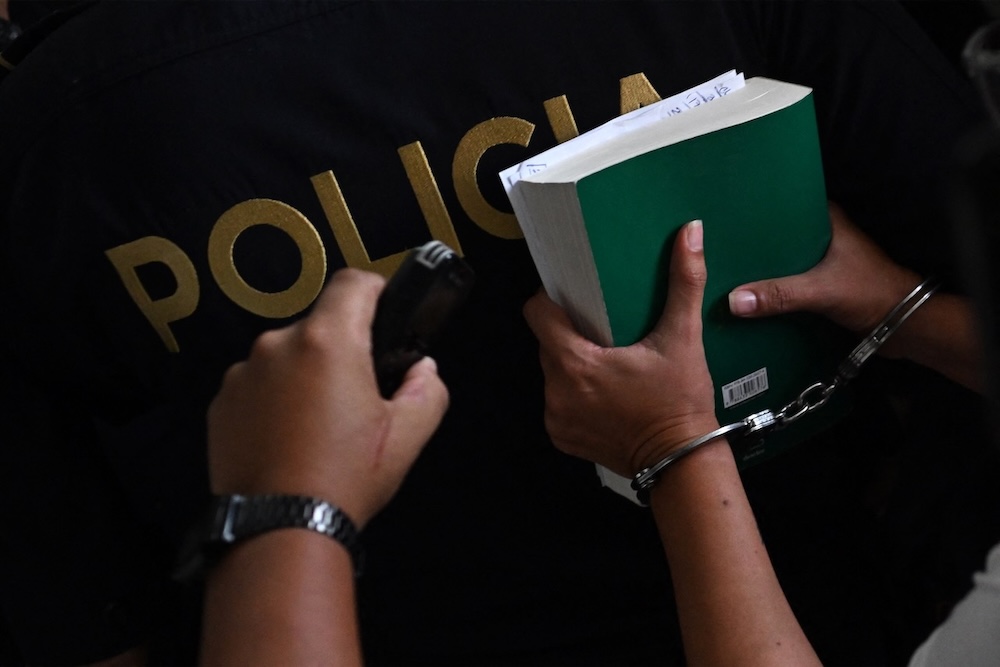
The state of emergency began in March 2022 and brought a series of legal changes. For the first 15 days, authorities don’t need to present you before a judge. You can be arrested based solely on a police or military officer’s intuition. They also eliminated the two-year limit on pretrial detention; now you can remain in prison for five, ten, or even fifteen years without a conviction. There’s total secrecy over proceedings and what they call “mass trials,” where hundreds are charged without individualized evidence.
In practice, it’s even worse: warrantless raids, anonymous judges, ignored release orders, and no prison visits. It’s a police state where the executive decides who’s arrested and for how long. And it all happens without checks or balances, because in El Salvador today, there’s only one power: the president.
What do you think the government aims to achieve by accusing you of being gang members or sympathizers?
It’s a tactic used in other dictatorships, like Cuba or Nicaragua, to turn critics into “non-citizens.” Bukele knows how to tap into fear. He’s pushed the narrative that we defend gangs, even though we’ve covered gang violence long before he entered politics, back when he was running a nightclub.
What we’re doing is questioning criminals who allied with the government — that’s journalism. His persecution of us and the arrest of Ruth López is a message to all he considers visible opposition: the press, civil society, community leaders, environmentalists, and political parties. His message is clear: he’s going to crush us. We’ve received the message. Some of us may get arrested, others may go into exile. That’s Bukele’s plan: destroy us by turning the public against us.
Is there any legal or institutional path you can take to challenge the accusations or seek protection?
No. None.
How would you compare the press environment now to what existed before Bukele took office? What’s changed politically and legally?
Before, there was a public information access law — it worked poorly, but it worked. There were press conferences. The labor ministry wasn’t used to attack the media. There was no state of emergency. If you were charged with a crime, you had a right to a public, open trial and the ability to appeal. There were still independent judges, and the Constitutional Chamber had some diversity. The attorney general’s office had a degree of autonomy.
All of that is gone now. El Salvador was never an easy country for journalism, but it’s never been this bad.