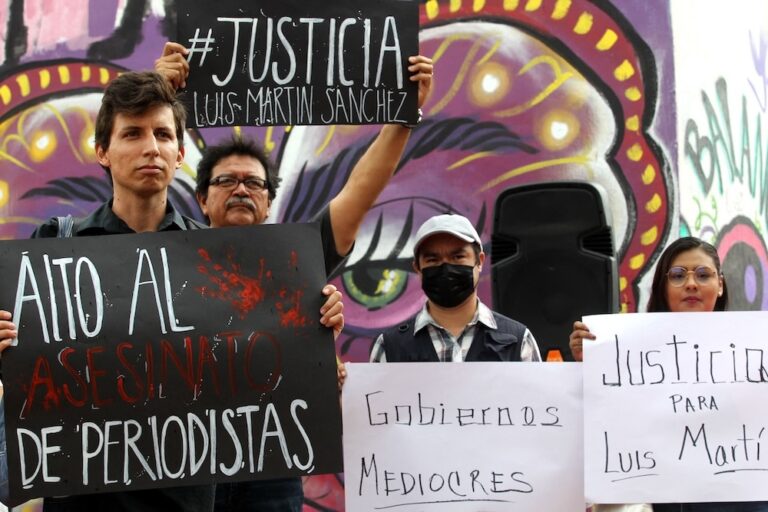
Mexico sees longest-running wave of journalists murdered in peacetime, 169 killed in 20 years
“To speak of journalism in Mexico is also to speak of a justice system in which reporters find themselves accused, a system that is ineffective at best and corrupt at worst. The impunity that has surrounded these murders over the past two decades illustrates this” – RSF.

Share of mudslinging in Ukrainian online news triples in 6 months – IMI
IMI experts identified a total of 203 news stories bearing signs of commissioning in August 2026.

IFLA endorses International Science Council definition of the Right to Science
It highlights that everyone should be able to participate in generating knowledge through the observation of natural phenomena, as well as questioning existing ideas.

Pakistan: Rise in cases involving minors flags urgent online safety crisis
As of July 2026, the group’s Helpline has already received 153 complaints involving minors.

MRA demands justice 40 years after editor Dele Giwa’s assassination
MRA described the Government’s failure to bring Dele Giwa’s case to a conclusive resolution four decades later as a “shameful reminder of the entrenched culture of impunity for attacks against journalists in Nigeria.”
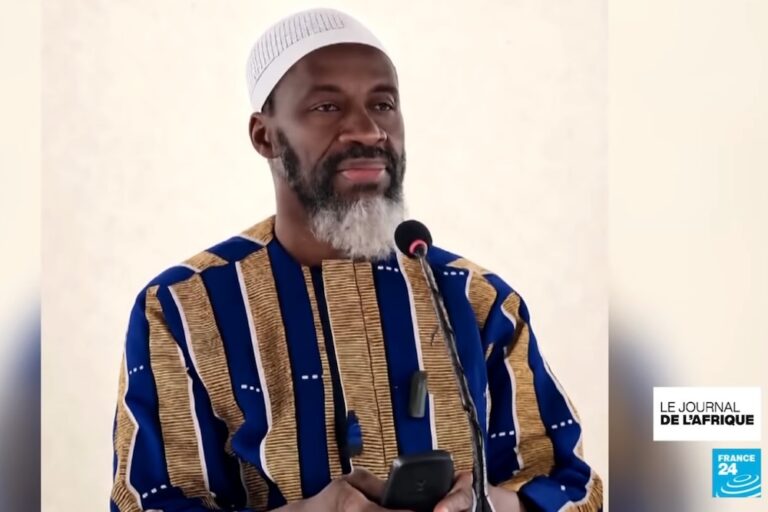
Imam’s supporters released after spending four months in detention for participating in a protest
Despite the release of his supporters, Imam Kindo remains in detention. The authorities have still not publicly disclosed his place of detention or the legal grounds for his continued detention.

Hungary: International coalition to hold fact-finding mission amid media reforms
A coalition of international media freedom and journalist organisations, including IFEX, will travel to Hungary to take stock of the reforms to media policy under the new Tisza government, and identify further priority areas for where reform can help restore media freedom and foster independent journalism.
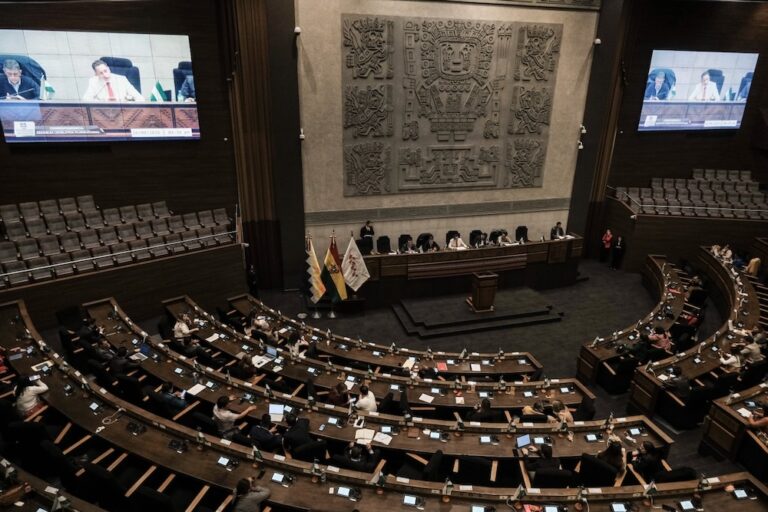
IFEX-ALC expresses concern about reports of a false statement attributed to the National Press Association (ANP)
Such actions can mislead the public, damage the ANP’s credibility, and undermine trust in independent media and press freedom organisations, as well as among their international partners and supporters.
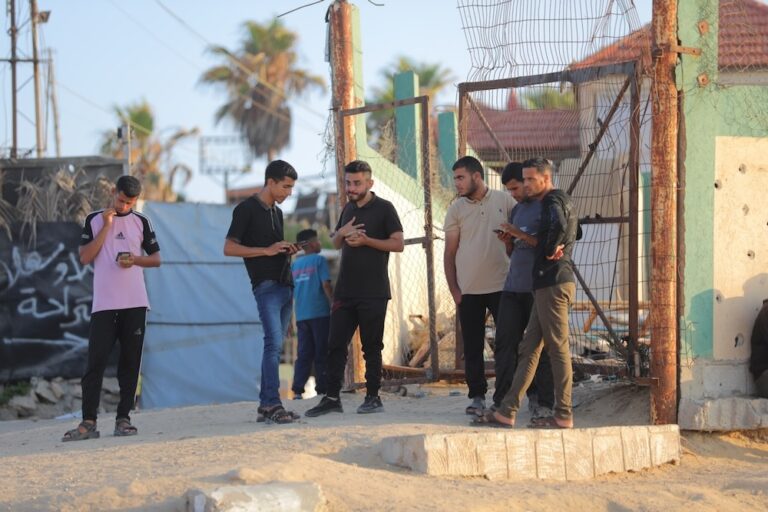
Captive voices: Algorithmic voice surveillance in Palestine
For Palestinians under Israeli occupation, the voice has been weaponized into one of the world’s most sophisticated systems of mass surveillance, transforming the very act of speaking to an act of capture.

Malaysia must expedite the political will to guarantee peoples’ right to know
Civil society groups said Malaysia must end the culture of secrecy that continues to shield the exercise of power from public scrutiny.
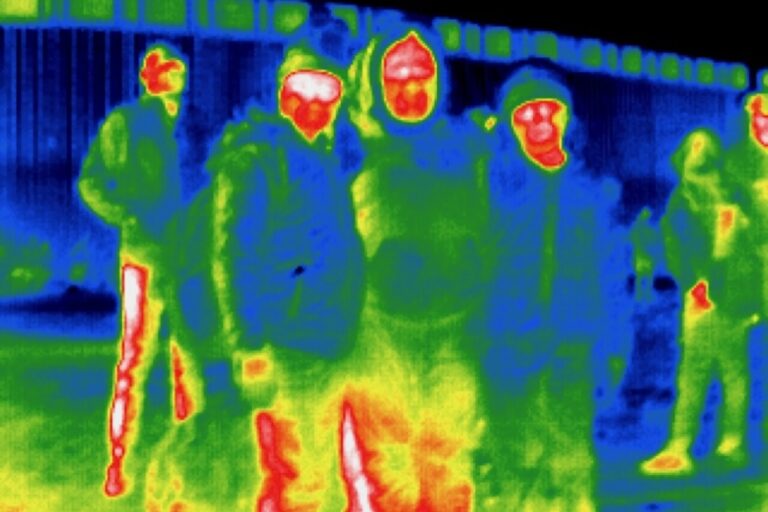
An arsenal of surveillance: A guide to the technologies harming migrants
Surveillance technologies are increasingly being used throughout the migration journey.
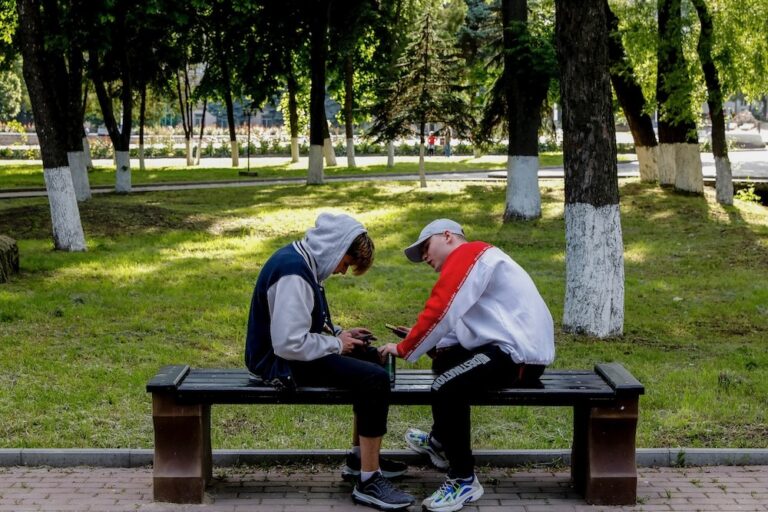
Moldova: 2026 Media Information Literacy Index
According to the research, the greatest vulnerability lies in people’s ability to act when exposed to disinformation.
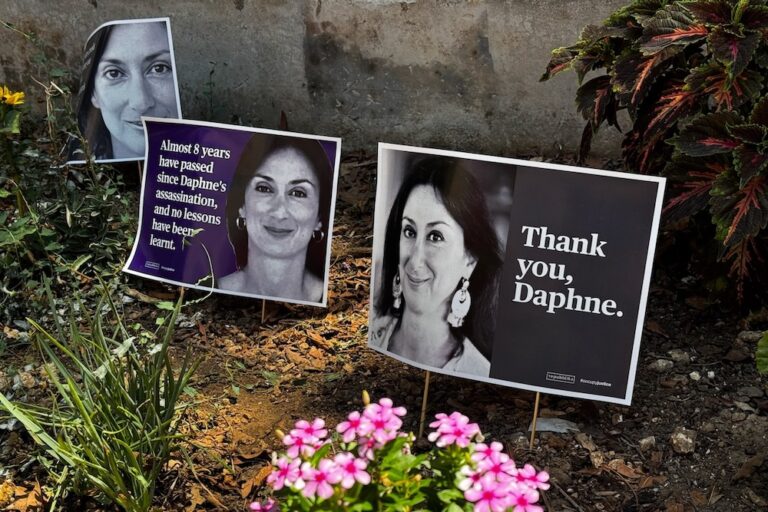
Daphne Caruana Galizia: CASE members call on Malta to address weak anti-SLAPP law on anniversary of journalist’s murder
Members of CASE, including IFEX, have sent a letter to Prime Minister Robert Abela imploring him to take this opportunity to address the shortcomings of Malta’s anti-SLAPP law and to implement the standards set out by the Council of Europe recommendation

Free expression and rights organisations condemn takeover of “Halk TV”, call for restoration of broadcaster’s editorial independence
The “Halk TV” case is a glaring example of how the authorities use allegations against media owners to bring critical outlets under state control. It comes amid a continuing deterioration of press freedom in Türkiye, where judicial measures increasingly target independent journalism.